March 2025 - Arborist Report of the Month
Nick Buckley

🌿 Arborist Report of the Month – Presented by TMC Reports


Each month, we feature one of our standout arborist reports to showcase the depth, detail, and professionalism of our work. Whether you're a property developer, council representative, or simply curious about arboriculture—this is your chance to see how we approach real-life situations in the field.


✨ This Month’s Report: 
High retention value tree that is proposed to be removed


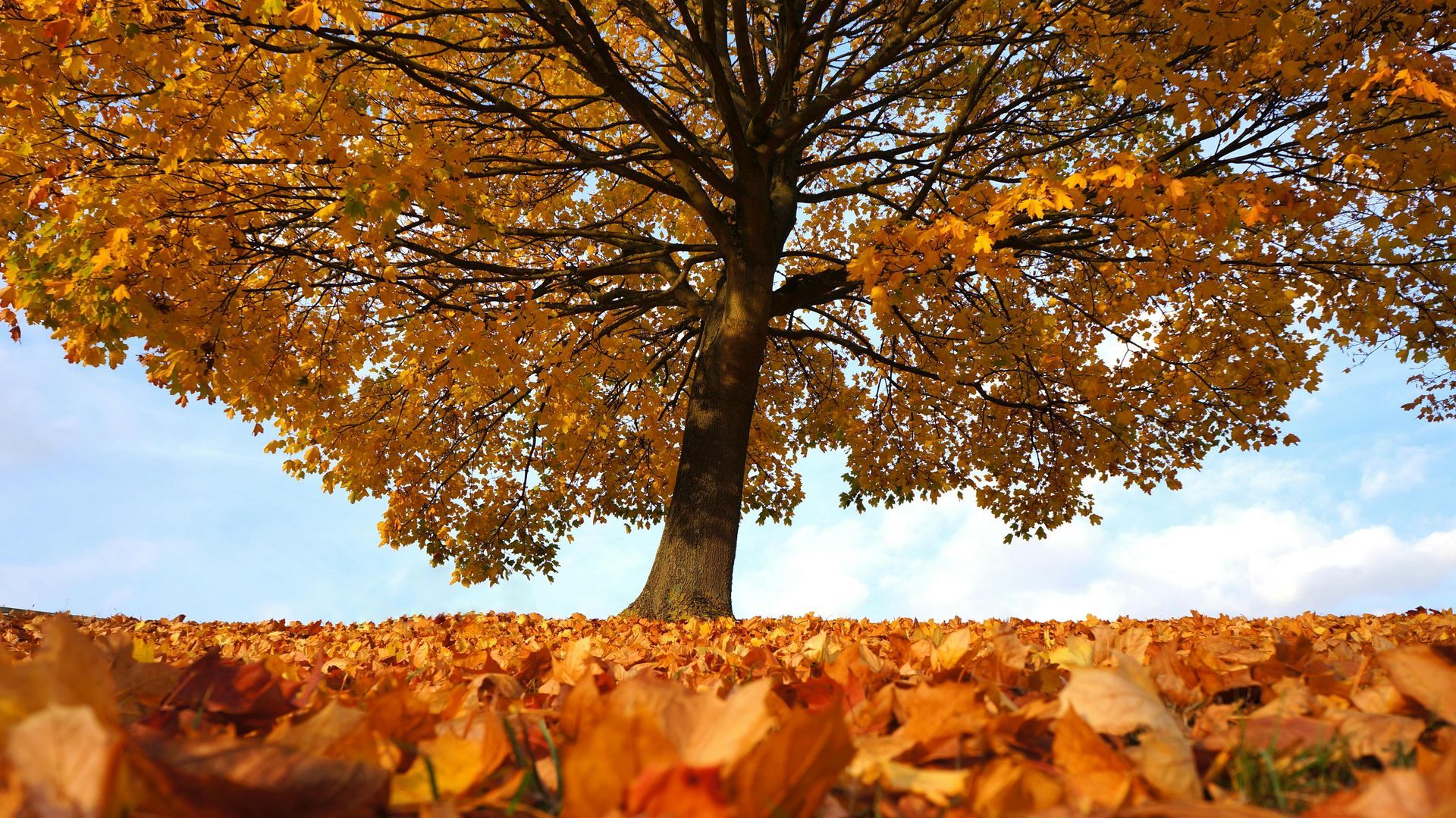
Tree 3 is a large, mature English oak located at the front of the subject site. The new property owner is in the early stages of planning to demolish the existing dwelling to build their dream home.

Although Tree 3 is a high-quality specimen and an excellent example of its species, the client has elected to remove it.


The client is in the very early stages of design and has provided only preliminary plans for the proposed dwelling. Before proceeding further, they seek clarity on whether any trees on site will pose a constraint. While the initial plans indicate that it would be possible to design around Tree 3 and retain it, the client prefers to remove the tree. As independent arborists, our role is to present the facts and act on the client’s behalf. In this case, no permit is required for the removal of Tree 3, and therefore, no objection from Council is expected.

The client is now fully informed about the tree-related aspects of their site. They understand that all trees on the property can be removed without issue, allowing them to proceed with their plans and invest further in the development of their new home, confident that trees will not present any constraints.


View March Report
All Posts

Share Post:

Ready to work with TMC Reports?

Let's connect! We’re here to help.

Send us a message and we’ll be in touch. 

Or give us a call today at 0401 442 604

Agency Contact Form


More Marketing Tips, Tricks & Tools

By Nick Buckley March 5, 2026
If you’re planning to remove, destroy or lop a tree on your property as of September 15 2025, this is a big change you need to know about. A new statewide planning provision (Clause 52.37) has officially come into effect introducing new rules for tree removal and canopy cover on residential land across Victoria. In other words, tree protection laws just got tougher. Many property owners will now need a planning permit to remove, lop ‘canopy trees’. Even if they are on your land. So what does that mean for you? Let’s break down what Clause 52.37 actually covers , who it applies to , and how to stay compliant without getting buried in paperwork. Where Clause 52.37 Applies The new rules apply to residential land within the following planning zones: Mixed Use Zone (MUZ) Township Zone (TZ) Residential Growth Zone (RGZ) General Residential Zone (GRZ) Neighbourhood Residential Zone (NRZ) Housing Choice and Transport Zone (HCTZ) If your property sits in one of these zones and you plan to remove or significantly prune a tree, the new permit requirements likely apply. What Counts as a “Canopy Tree”? This is where the details matter. Under Clause 52.37, a “Canopy Tree” is defined as a tree that meets all three of these triggers: Height greater than 5 metres A single trunk circumference greater than 0.5 metres, measured 1.4 metres above ground level Canopy diameter of at least 4 metres Things to consider For a tree to be considered a canopy tree, it must tick all three of the above boxes. For example, if a tree is greater than 5m in height, has a canopy diameter of greater than 4m but does not have a single trunk circumference greater than 0.5m. It will not be considered a canopy tree, and will not need a permit to remove, destroy or lop. Another important note is that a canopy tree needs to be ‘greater’ than the above dimensions. Meaning if a tree is 5m in height exactly it will not need a permit. It needs to be 5.1m in height to tick that box. When You Need a Permit (and When You Don’t) Clause 52.37 sets clear rules for when a planning permit is required to remove, lop, or destroy a tree. If the site is vacant without a dwelling, you will need a permit to remove destroy or lop a tree that ticks the above 3 boxes anywhere within the site. If the site has an existing residential dwelling situated on it, you will need a permit to remove, destroy or lop a tree that ticks the above 3 boxes within the front 6m and the rear 4.5m (see below images).
A mature deciduous tree in a suburban yard shows signs of distress with a large vertical crack in it
By Nick Buckley August 23, 2025
Not sure if your tree needs to go? Catch the warning signs early and avoid costly damage or fines with expert advice and council-ready reports from TMC Reports.
A large tree stands in a suburban backyard with a wooden fence and two brick houses in the backgroun
By Nick Buckley August 22, 2025
Need to remove a tree? TMC Reports explains when council approval is required and how arborist reports help you avoid fines, delays, or rejected permits.